
There’s a certain seductive power to film noir—the shadowy lighting, morally ambiguous characters, and winding plots that leave you questioning who to trust and what’s really going on. Born out of the post-war cynicism of the 1940s, film noir was a genre that embraced complexity and thrived on tension. These weren’t stories with neat endings or clear heroes. Instead, they offered tales where darkness loomed just beneath the surface, and the line between good and evil was often blurred beyond recognition.
The best film noir classics aren’t just great mysteries—they’re enduring psychological puzzles. Decades later, they still pull us in with their brooding atmosphere, clever dialogue, and the constant feeling that something—or someone—is just out of reach. At Roxy Movie Theatre, we tip our fedora to these timeless films that continue to keep audiences on edge, long after the credits roll.
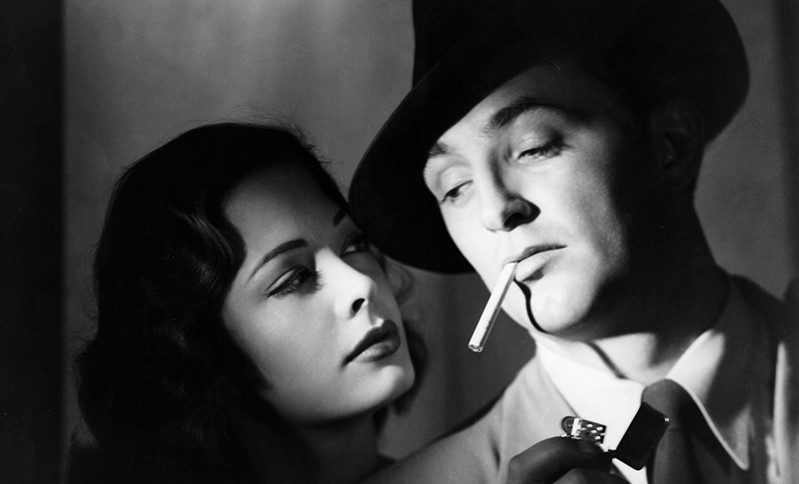
The Enduring Appeal of Noir
Film noir emerged during a time of cultural uncertainty. The Second World War had shaken the world, and American audiences were beginning to question ideals they once took for granted. Noir reflected this unease. The characters were hardened, the plots morally tangled, and the visuals drenched in shadow. It wasn’t just a genre—it was a mood.
This feeling of unease is what makes film noir so captivating. You’re never quite sure what’s real or who to believe. A detective might be in too deep. A femme fatale might be more victim than villain. And the truth? It’s rarely clean or comforting. Even when the mystery is solved, noir often leaves you with more questions than answers.
That ambiguity is part of the magic. These films are rewatchable not because they surprise you with plot twists, but because they linger in your mind. You pick up on new clues, new meanings, and new doubts every time you revisit them.
Suspense Woven into Every Scene
What sets the best noir films apart is their ability to maintain suspense without relying on explosions or over-the-top action. Instead, they build tension through subtle moments—a cigarette lit in the dark, a phone that rings too long, a sideways glance that says more than any line of dialogue ever could.
This careful pacing allows the mystery to unfold layer by layer. Clues are planted without fanfare. Danger creeps in slowly. And by the time you realize the full scope of what’s happening, it’s often too late—for the characters, and for your nerves. These films are masterclasses in restraint. They trust the audience to follow the breadcrumbs and reward them with unforgettable moments of revelation and dread.
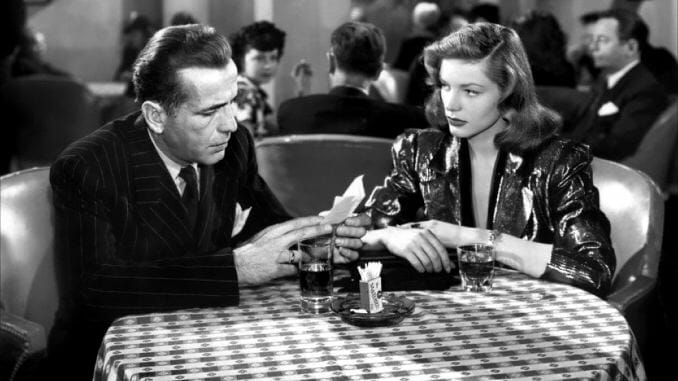
Unforgettable Characters in a World of Gray
The people who inhabit film noir are rarely easy to define. You won’t find clean-cut heroes or simple villains here. Instead, you’re introduced to characters shaped by desperation, greed, love, or loneliness. They make bad decisions for complicated reasons. They lie to themselves as much as they lie to others.
Take the private detectives, for example. They’re often the film’s moral center, yet they operate in a world where ethics are negotiable. They bend the rules, cut deals in back alleys, and fall for the wrong people. But you follow them anyway, because they reflect a truth about the human condition—sometimes, we all navigate murky waters.
Then there are the women of noir, so often labeled femme fatales. But the best portrayals go beyond the stereotype. These women are intelligent, layered, and often trapped in systems that give them little room to move. They may use manipulation as a tool, but it’s often the only one available to them. Their choices, however dangerous, come from a place of survival.
Mystery That Withstands Time
Even if you’ve seen a noir classic before, chances are you’ll catch something new the next time. A glance you didn’t think twice about suddenly seems loaded. A bit of dialogue takes on new meaning once you know the ending. That’s because great noir isn’t built around one big reveal. It’s built around mood, character, and subtlety.
And while the world has changed since these films were made, the themes they explore—betrayal, obsession, moral compromise—are still relevant. The settings might be vintage, but the emotional stakes feel as fresh as ever. They tap into timeless human fears and desires, which is why they continue to resonate with modern audiences.
Why We Still Love the Darkness
There’s a certain thrill in not having all the answers. In noir, we don’t get the comfort of a neat resolution or a hero who saves the day. We get something more honest—stories that reflect the complexity of real life. The loose ends, the conflicting motives, the painful choices. Film noir reminds us that people are rarely just good or bad. They’re complicated. And that makes for better storytelling.
At Roxy Movie Theatre, we believe these classics deserve to be revisited, discussed, and celebrated. They’ve shaped the language of cinema, inspired countless filmmakers, and continue to pull in audiences who crave stories with shadows and edge. If you’ve never explored the world of film noir—or if it’s been a while since you last walked those darkened streets—it’s time to press play and see where the mystery takes you.