
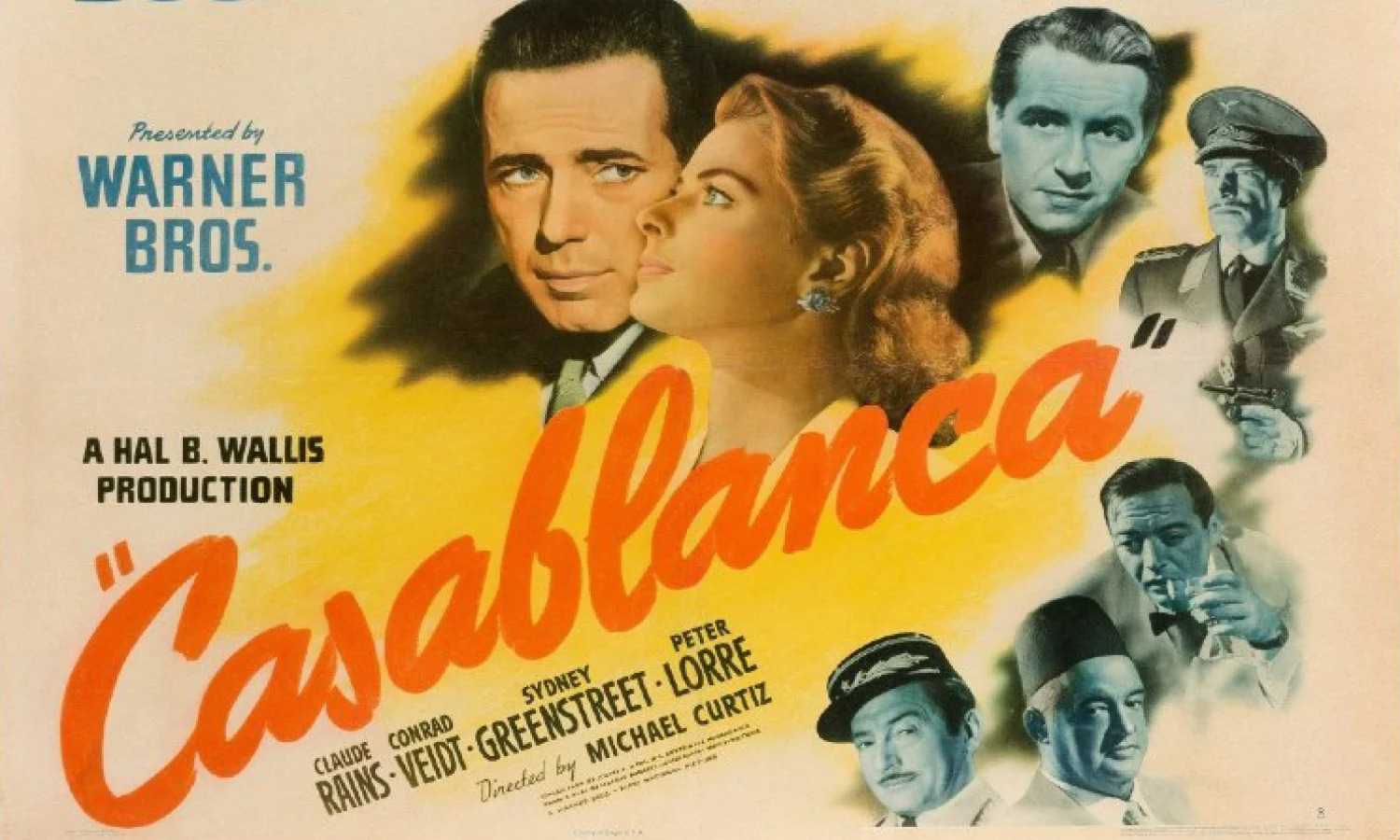
Before trailers streamed across social media feeds and algorithms suggested what to watch next, there was the movie poster—a single image hanging outside a theater that had the power to stop people in their tracks. In the golden age of Hollywood, a film’s poster wasn’t just an ad. It was an invitation, a promise, and often, a work of art in its own right. Today, vintage movie posters continue to captivate collectors, design lovers, and classic film fans alike. They are reminders of an era when storytelling began before the lights even dimmed.
At Roxy Movie Theatre, we believe that classic movie advertising deserves as much admiration as the films themselves. These posters weren’t slapped together to meet a deadline—they were thoughtfully composed, beautifully illustrated, and designed to evoke emotion. They didn’t just sell a movie. They sold a mood.
The Golden Era of Hand-Painted Drama
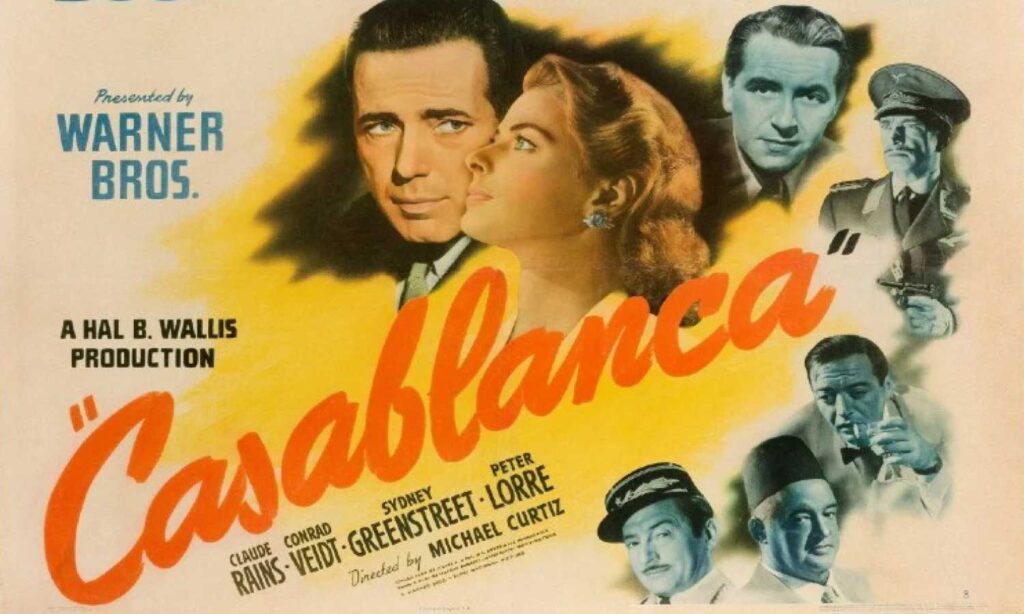
In the 1930s through the 1950s, most movie posters were created by hand, often by anonymous artists working in studio art departments or small design firms. These artists weren’t just painting portraits of actors. They were capturing the essence of a film—its genre, its energy, and its unique appeal. The goal was to create a visual that could immediately communicate what kind of experience an audience was in for, all without revealing too much.
Drama films leaned into deep shadows and intense facial expressions. Comedies featured exaggerated gestures and bright colors. Adventure and horror posters often showcased scenes of action or peril, usually with characters frozen mid-scream or mid-leap. These posters didn’t hold back. They were bold, sensational, and deeply expressive—designed to spark curiosity and stir anticipation.
A Marriage of Art and Marketing
What makes vintage movie posters so fascinating is how they blur the line between commercial design and fine art. On one hand, they were tools of the studio system, carefully crafted to boost box office returns. On the other, they were beautiful compositions that reflected the trends, techniques, and aesthetics of their time.
Typography played a crucial role, too. The fonts were large, dramatic, and often hand-lettered, becoming part of the image itself. A film’s title wasn’t just printed—it was styled. The text danced, tilted, or loomed depending on the tone of the movie. Taglines were punchy and poetic, promising thrills, romance, or laughter. Together, image and text worked as one, creating a visual hook that would stay in your mind long after you walked past the marquee.
Icons Before the Internet
In today’s digital age, promotional images are everywhere and often disappear just as quickly as they appear. But in the early to mid-20th century, movie posters had staying power. They were seen not only outside theaters, but in train stations, shop windows, and even printed in newspapers. The poster was the first and sometimes only glimpse the public had of a film before its release.
For many stars, the movie poster played a huge role in shaping their public image. The smoldering gaze of Lauren Bacall, the tough charm of Humphrey Bogart, or the icy cool of Grace Kelly—all were immortalized in paint and ink long before Instagram profiles or paparazzi photos. These images were curated, controlled, and often exaggerated, but they became iconic nonetheless. In many cases, it was the poster that helped cement a star’s status as larger than life.
Collecting a Piece of Film History
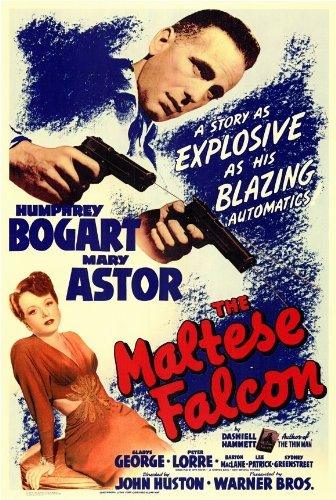
Today, original vintage posters are highly sought after by collectors and film enthusiasts. What was once a disposable marketing item is now considered a prized artifact. Posters for films like Casablanca, The Maltese Falcon, or Gone with the Wind can fetch thousands of dollars at auctions. But even lesser-known titles have their own unique charm, especially when they showcase striking design or a forgotten star.
Beyond their monetary value, vintage posters serve as a visual archive of film history. They tell us how movies were marketed, what visual styles were in vogue, and how public tastes evolved over time. They also remind us of a time when advertising was more about artistry than algorithms—a time when a single, hand-painted image could stop someone on the street and make them say, “I have to see that.”
Inspiration for the Modern Eye
Even outside the world of film buffs and collectors, vintage movie posters continue to inspire. Designers and illustrators frequently look to old poster layouts, color schemes, and lettering styles for fresh ideas. There’s a timeless quality to the balance, drama, and visual storytelling found in classic posters. They remind us that sometimes, less is more—that intrigue and elegance can be more powerful than saturation and speed.
At Roxy Movie Theatre, we celebrate not just the movies of Old Hollywood, but the artistry that surrounded them. The posters were more than decoration. They were part of the experience. They teased, tempted, and transported. And all these years later, they still have that power.
So the next time you see a vintage movie poster—whether hanging in a museum, printed in a coffee table book, or scrolling by in your feed—pause for a moment. Look closely. Behind the brushstrokes and bold letters is a story, waiting to be watched, imagined, or rediscovered.