

The 1940s were a defining decade for Hollywood. Amid the backdrop of World War II and a rapidly changing world, the silver screen became both a source of comfort and a beacon of glamour. Moviegoers sought escape in the glow of the theater, and in doing so, they fell in love with the women who lit up the screen with poise, passion, and unforgettable talent. The actresses of this era were more than stars—they were symbols of strength, beauty, and timeless elegance. At Roxy Movie Theatre, we celebrate the magic they brought to the golden age of film.
Grace Under Pressure
Many of the most iconic actresses of the 1940s rose to stardom during a time of global uncertainty. As the world faced the turmoil of war, these women offered a sense of stability and allure. They portrayed characters with depth and resilience, reflecting the spirit of the era. Their performances helped shape public perception, not just of Hollywood, but of femininity itself. Strength and grace were no longer opposites—they were inseparable qualities, and the actresses of the ’40s embodied both.
The war also led to more dynamic roles for women on screen. As men went off to fight, women took on more active roles in society—and so did the characters they portrayed. These actresses weren’t just love interests or damsels in distress. They were detectives, war correspondents, nightclub singers, and femme fatales. They had agency, voice, and charisma. The 1940s didn’t just glamorize beauty; it celebrated complexity.
Lauren Bacall: Cool, Confident, and Unforgettable
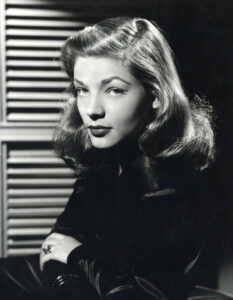
One of the most iconic women of the decade, Lauren Bacall made her film debut in 1944 opposite Humphrey Bogart in To Have and Have Not. With her smoky voice, sultry stare, and undeniable screen presence, she became an instant star. Bacall’s cool confidence was a refreshing shift from the more delicate portrayals of women in earlier decades. She wasn’t afraid to challenge her male counterparts, often matching them line for line, glance for glance.
Off-screen, Bacall’s romance with Bogart captured the public’s imagination, but her legacy is far more than tabloid headlines. Her performances reflected a modern, independent woman—one who didn’t need to shout to be heard. In every scene, she commanded attention simply by being herself.
Ingrid Bergman: Beauty With Depth
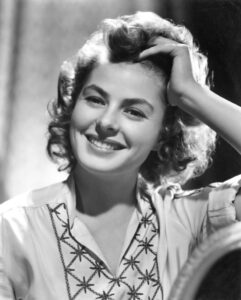
Swedish-born Ingrid Bergman brought a natural elegance and emotional depth that set her apart from many of her contemporaries. Her most famous role, perhaps, was in Casablanca (1942), where she played Ilsa Lund, the woman torn between love and duty. Bergman’s performance was both heartbreaking and restrained, showcasing a subtle power that became her trademark.
What made Bergman so captivating was her authenticity. She never relied solely on glamour or theatrics. Instead, she immersed herself in her roles, often portraying women with quiet inner strength. Films like Gaslight (1944) and Notorious (1946) cemented her reputation as one of the era’s most talented and versatile actresses.
Bette Davis: Fearless and Fiery
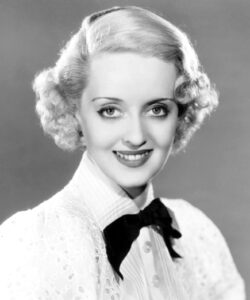
No conversation about 1940s actresses would be complete without mentioning Bette Davis. Known for her intense eyes and commanding presence, Davis was fearless in her choice of roles. She refused to be typecast and often played complicated, flawed women who weren’t always easy to love—but were always impossible to forget.
In films like Now, Voyager (1942) and The Letter (1940), Davis brought a raw emotional intensity to the screen that few could match. She challenged the expectations placed on women in Hollywood and proved that strength, vulnerability, and intelligence could exist in one dynamic character. Her boldness paved the way for generations of actresses to come.
Rita Hayworth: The Allure of Stardom
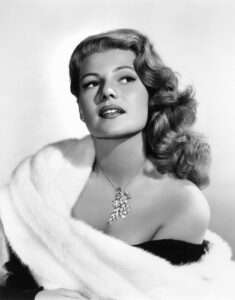
Rita Hayworth was the quintessential bombshell of the 1940s, but she was much more than just a pin-up girl. With her signature red hair and captivating smile, she became a symbol of glamour during wartime. Her performance in Gilda (1946) remains one of the most iconic moments in classic film history, blending sensuality with sophistication.
What made Hayworth unique was her ability to balance allure with vulnerability. Audiences were drawn to her because she seemed both untouchable and deeply human. Despite being labeled a sex symbol, Hayworth often expressed a quiet sadness in her roles, which added layers to her on-screen persona.
Katharine Hepburn: Defying Convention
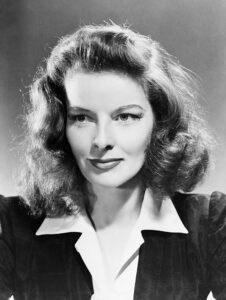
Katharine Hepburn brought intelligence, wit, and fierce independence to every role she played. While her greatest achievements spanned multiple decades, her 1940s films showcased her at her most refined. In The Philadelphia Story (1940) and Woman of the Year (1942), Hepburn redefined the leading lady as someone unapologetically smart and self-assured.
Never one to conform, Hepburn’s personal style and lifestyle challenged Hollywood norms. She wore trousers, spoke her mind, and lived life on her own terms. Her confidence was infectious, and her talent undeniable. She remains a towering figure not just in film history, but in cultural history as well.
A Legacy That Endures
The actresses of the 1940s didn’t just entertain—they inspired. They brought complex, powerful, and unforgettable women to life at a time when society was redefining gender roles and expectations. Their influence is still felt today, not only in the performances of modern actresses but in the way women are portrayed on screen.
At Roxy Movie Theatre, we honor these silver screen legends not just for their beauty or fame, but for the boldness and brilliance they brought to every performance. The glamour of Old Hollywood wasn’t about perfection—it was about presence. And these women had it in spades.
Their films remain a treasure trove of emotion, elegance, and enduring power. All you need to do is press play, and you’ll find yourself transported to a world where stars weren’t just stars—they were legends.